It is worth hiring an experienced professional to examine your electric safety devices.
An electrical safety certificate is a record that allows you to pinpoint and rectify any issues in your property before they cause damage or injury. The installation of electrical equipment is not needed to be independently checked until it has been modified, installed or moved in any way or a certificate to work is rejected.
In all other cases, building regulations only require that equipment be examined by a competent person who is not an electrician. However, they must be aware of what they are doing.
An ordinary electrical safety inspection involves testing the equipment to make sure it meets all building regulations in force, IEE Wiring Regulations, as well as the manufacturer’s recommendations. Troubles can arise from excessive electrical wires, sockets that are overloaded or faulty equipment which might cause a fire.
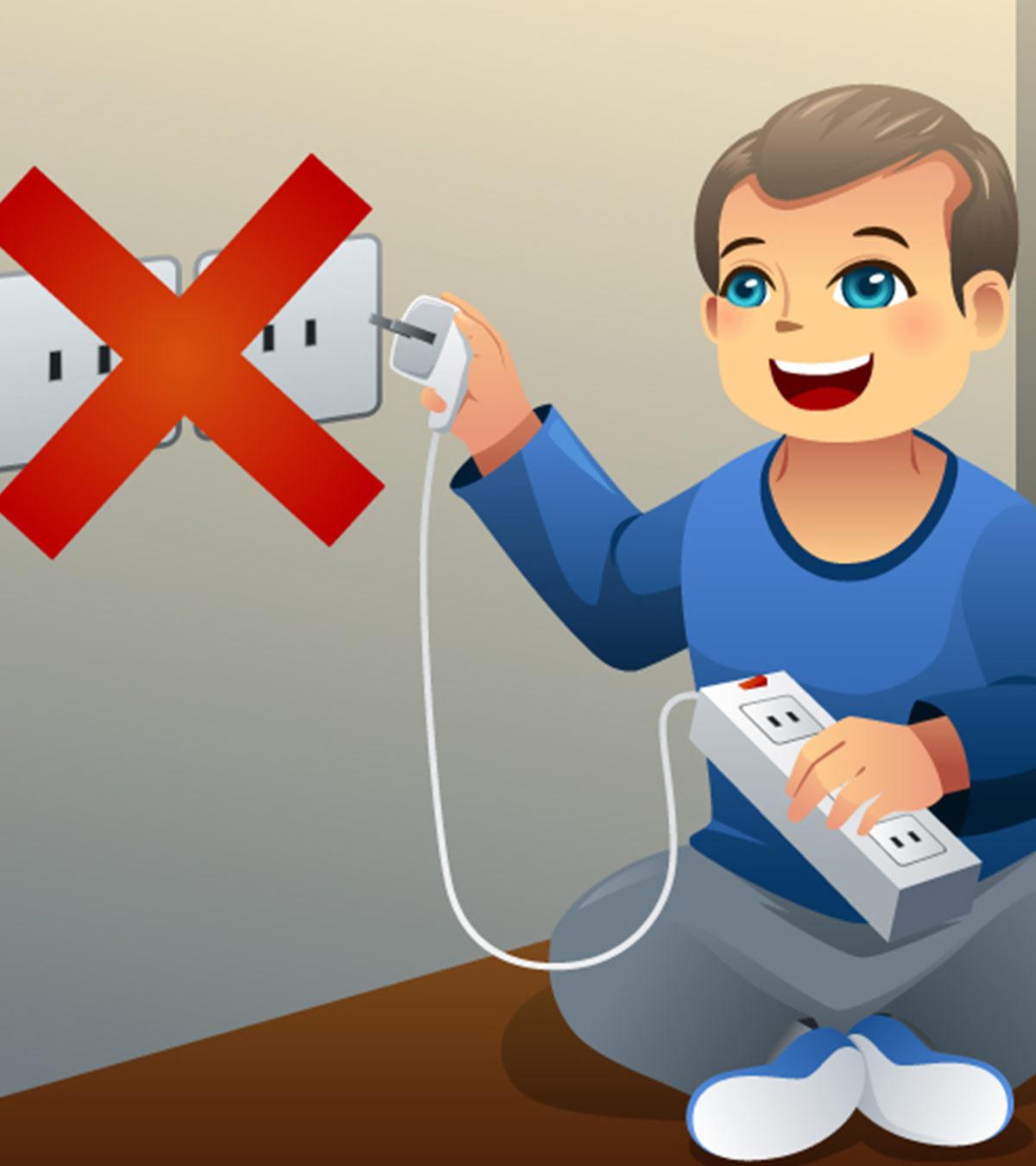
The certificate will also cover equipment that is connected to the system, for example, kettles, heaters, or heaters. They are therefore safe for use.
An experienced professional will conduct an electrical inspection. He will offer suggestions for addressing any issues before they cause injuries or damages.
You might be able to ask for an inspection of your electrical safety when you lease your property.
Tips for electrical safety during home renovations
Experts from the university recommend homeowners to take these steps while renovating.
1. Don’t remove the main switch or an isolated circuit breaker if the person is using power from another part of the house. This is the case for appliances that plug into outlets controlled via an electrical wall switch.
2. When you turn off a circuit breaker, wait for the power indicator to turn off before you begin doing any wiring work.
3. If you must switch off an isolated circuit breaker while an electrical device is connected to it, turn off electricity at the main switch prior to working with wires controlled by the circuit breaker.
4. Be cautious when making use of an extension cord to provide electricity. Always choose the shortest length, and ensure it is not overloaded. If you are using a longer cord for power-hungry appliances, be sure it is UL-approved
5. Be cautious when working with older wiring devices especially three-way switches. They’ve not been used in houses for many years and can pose a shock or electrocution hazard if not installed correctly.
6. Use only electrical fixtures tested to be in compliance with Australian standards, such as those made by Schneider Electric, Wylex or HPM.
7. Be sure to keep candles out of material that is combustible. Also, make sure you don’t allow candles to go in a dark area.
8. The best shoes to wear are those with rubber soles, as they can be walked on dry surfaces. Avoid using frayed extension cables. Do not cut the cord from an old device and plug it into a new model except if they’re of the same voltage ratings.
If you want to learn more, click RCD compliance check