In the world of fast-paced business, efficient communication is key to an effective company. To increase productivity and ensure employee engagement, it is essential that employees can interact seamlessly regardless of whether they work at a distance, in person, or employing a hybrid approach. This is where business communication software plays a critical role. The investment in internal communication software can cut down on confusion and help to create an environment that promotes transparency, collaboration, inclusion, and teamwork.
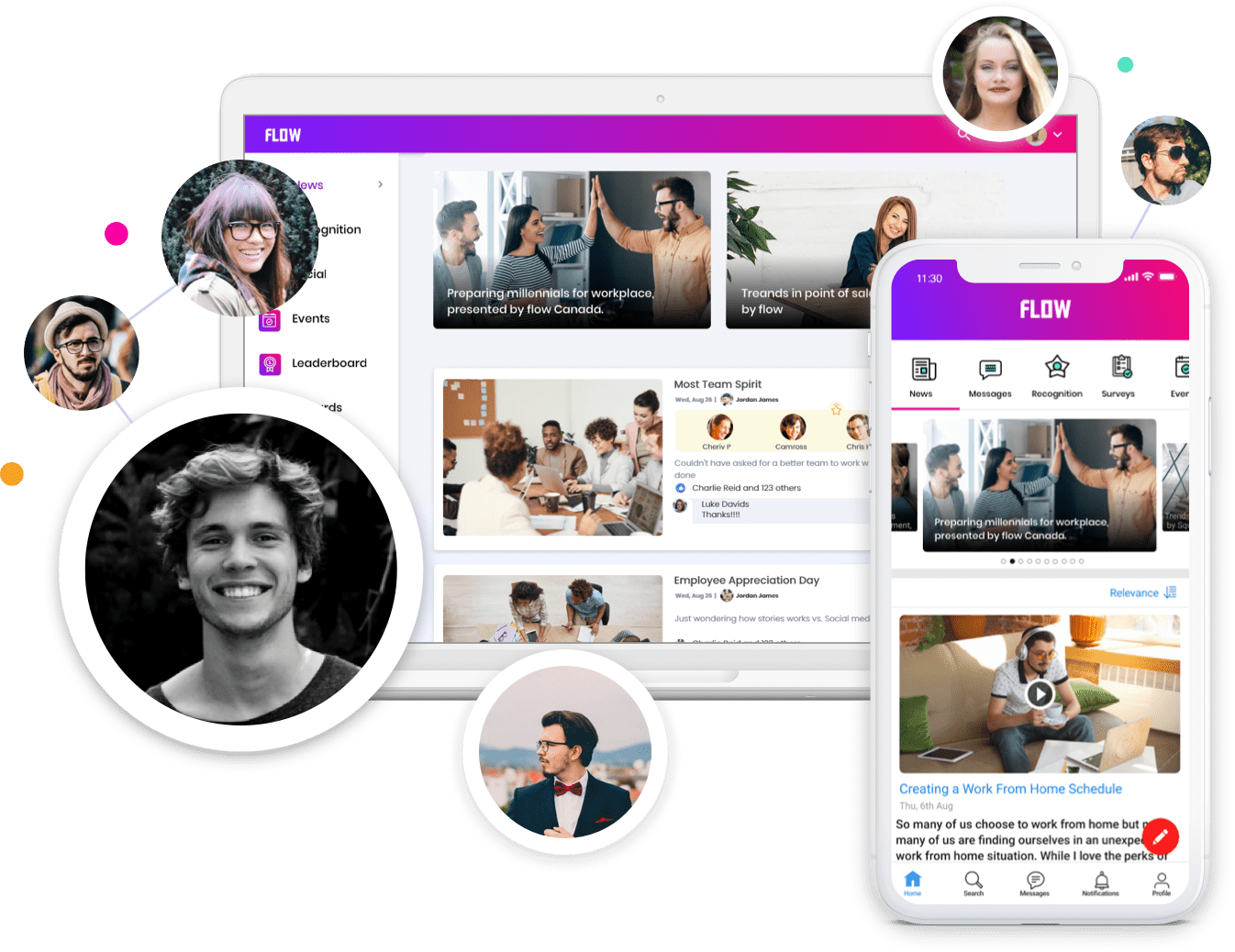
Image credit: hubengage.com
If your business is relying on outdated emails or chat applications that are not working or dispersed communication channels is it time to explore newer internal communication platforms that streamline communication and align your workforce.
Why businesses need advanced internal communication tools
The days of emails and bulletin boards were the primary ways to connect with employees. Companies today are operating in an age of instant communication and real-time collaboration. Organizations that do not have the right tools for internal communication risk poor communication, decreased engagement, and reduced productivity.
1. Improving Motivation of Employees
Nowadays, workplaces face a myriad of challenges, which include the need to motivate and engage employees. A well-designed internal communications system ensures that all employees regardless of their location feel included and heard. Features like:
Real-time announcements.
Feedback polls are interactive feedback forms.
Employee Recognition Programs for Employee Recognition
Platforms for mobile communication
Help businesses create an atmosphere of belonging for employees, resulting in higher employee satisfaction and greater productivity.
2. Reducing Workplace Confusion & Improving clarity
When employees don’t receive clear communication, misunderstandings happen. This can lead to delays in deadlines and work that is duplicate. This can also lead to frustration. Software for business communications provides:
Centralized information sharing: Employees have access to documents, updates and other resources in one location.
Tools for tracking projects and tasks – Everyone knows what their role is and what they’re required to accomplish.
The workflows are more efficient. This eliminates bottlenecks to ensure projects run smoothly.
If companies adopt formal platforms for internal communications and internal communication, they notice that their employees have more confidence and productivity.
3. Transparency & Culture in the Workplace
Open communication and trust are the foundation of an effective and healthy culture in the workplace. Employees who are informed about the company’s objectives, updates and updates are more likely stay involved.
Modern internal communication tools offer options like:
Leadership video messages Direct communication between managers and employees.
Town halls, Q&A meetings for employees, promoting two-way communication.
Recognition and appreciation programs Acknowledging employees for their efforts.
In fostering an honest and open dialogue, businesses can reduce employee turnover and build a loyal workforce.
4. Supporting Remote & Hybrid Work Models
With more companies embracing hybrid and remote-based work configurations, traditional communication methods are no longer sufficient. Anywhere the team is working it is essential to be able to access information instantly to their files as well as conversations or meetings.
Cloud-based software to facilitate internal communications can be used to:
Uninterrupted collaboration across time zones.
Document sharing made easy and co-editing in real time.
Virtual meetings can be arranged using video conference.
Mobile-friendly apps for on-the-go communication.
Employers who use internal communications systems designed for remote teams have higher productivity and greater collaboration as in comparison to companies that rely on outdated methods of communication.
5. Improved Crisis Management & Business Continuity
Emergencies can strike anytime, whether it’s an attack on a computer, market disruption, or a reorganization of a business. Utilizing a reliable communication program for business will ensure that your employees get information in real time as well as safety guidelines and other instructions in the event of a crisis.
Modern tools for internal communication provide:
Receive instant push notifications for important alerts
Automated workflows to send messages to help employees during crisis situations
Centralized knowledge base that includes emergency procedures
A well-organized enterprise will limit disruptions, ensure productivity and keep employees informed in the situation of an unexpected event.
Internal Communication Software: The Future of
As technology evolves, so too do expectations about business communication software. AI-powered communications platforms can give businesses an advantage through automation of repetitive tasks as well as analysis of employee engagement data, as well as personalization of communication strategies.
Some emerging trends include
AI chatbots will provide immediate support for employees
An analysis of workplace sentiment through the Sentiment Analyzer.
Interactive dashboards that provide real-time communications analytics.
Businesses can boost productivity and teamwork by using intelligent software that is intuitive and smart.
Final Thoughts on Choosing the most effective internal communication platform
Update your internal communication software if your company still struggles with miscommunications, disengaged workers or unconnected workflows. Business communication software transforms your workplace from a place of miscommunication and disengagement to one that’s focused on collaboration with transparency, engagement and teamwork.
Investing in modern internal communications software is not an option anymore. It’s a necessity for businesses that wish to remain ahead of the curve and retain top talent and develop a vibrant workplace culture.
What are the most effective platforms for internal communication for your business? Begin by looking at options that offer real-time messaging along with mobile accessibility, leadership engagement, and centralized information sharing as good communication can lead to great results.
How Internal Communication Platforms Strengthen Company Culture And Employee Retention
In the world of fast-paced business, efficient communication is key to an effective company. To increase productivity and ensure employee engagement, it is essential that employees can interact seamlessly regardless of whether they work at a distance, in person, or employing a hybrid approach. This is where business communication software plays a critical role. The investment in internal communication software can cut down on confusion and help to create an environment that promotes transparency, collaboration, inclusion, and teamwork.
Image credit: hubengage.com
If your business is relying on outdated emails or chat applications that are not working or dispersed communication channels is it time to explore newer internal communication platforms that streamline communication and align your workforce.
Why businesses need advanced internal communication tools
The days of emails and bulletin boards were the primary ways to connect with employees. Companies today are operating in an age of instant communication and real-time collaboration. Organizations that do not have the right tools for internal communication risk poor communication, decreased engagement, and reduced productivity.
1. Improving Motivation of Employees
Nowadays, workplaces face a myriad of challenges, which include the need to motivate and engage employees. A well-designed internal communications system ensures that all employees regardless of their location feel included and heard. Features like:
Real-time announcements.
Feedback polls are interactive feedback forms.
Employee Recognition Programs for Employee Recognition
Platforms for mobile communication
Help businesses create an atmosphere of belonging for employees, resulting in higher employee satisfaction and greater productivity.
2. Reducing Workplace Confusion & Improving clarity
When employees don’t receive clear communication, misunderstandings happen. This can lead to delays in deadlines and work that is duplicate. This can also lead to frustration. Software for business communications provides:
Centralized information sharing: Employees have access to documents, updates and other resources in one location.
Tools for tracking projects and tasks – Everyone knows what their role is and what they’re required to accomplish.
The workflows are more efficient. This eliminates bottlenecks to ensure projects run smoothly.
If companies adopt formal platforms for internal communications and internal communication, they notice that their employees have more confidence and productivity.
3. Transparency & Culture in the Workplace
Open communication and trust are the foundation of an effective and healthy culture in the workplace. Employees who are informed about the company’s objectives, updates and updates are more likely stay involved.
Modern internal communication tools offer options like:
Leadership video messages Direct communication between managers and employees.
Town halls, Q&A meetings for employees, promoting two-way communication.
Recognition and appreciation programs Acknowledging employees for their efforts.
In fostering an honest and open dialogue, businesses can reduce employee turnover and build a loyal workforce.
4. Supporting Remote & Hybrid Work Models
With more companies embracing hybrid and remote-based work configurations, traditional communication methods are no longer sufficient. Anywhere the team is working it is essential to be able to access information instantly to their files as well as conversations or meetings.
Cloud-based software to facilitate internal communications can be used to:
Uninterrupted collaboration across time zones.
Document sharing made easy and co-editing in real time.
Virtual meetings can be arranged using video conference.
Mobile-friendly apps for on-the-go communication.
Employers who use internal communications systems designed for remote teams have higher productivity and greater collaboration as in comparison to companies that rely on outdated methods of communication.
5. Improved Crisis Management & Business Continuity
Emergencies can strike anytime, whether it’s an attack on a computer, market disruption, or a reorganization of a business. Utilizing a reliable communication program for business will ensure that your employees get information in real time as well as safety guidelines and other instructions in the event of a crisis.
Modern tools for internal communication provide:
Receive instant push notifications for important alerts
Automated workflows to send messages to help employees during crisis situations
Centralized knowledge base that includes emergency procedures
A well-organized enterprise will limit disruptions, ensure productivity and keep employees informed in the situation of an unexpected event.
Internal Communication Software: The Future of
As technology evolves, so too do expectations about business communication software. AI-powered communications platforms can give businesses an advantage through automation of repetitive tasks as well as analysis of employee engagement data, as well as personalization of communication strategies.
Some emerging trends include
AI chatbots will provide immediate support for employees
An analysis of workplace sentiment through the Sentiment Analyzer.
Interactive dashboards that provide real-time communications analytics.
Businesses can boost productivity and teamwork by using intelligent software that is intuitive and smart.
Final Thoughts on Choosing the most effective internal communication platform
Update your internal communication software if your company still struggles with miscommunications, disengaged workers or unconnected workflows. Business communication software transforms your workplace from a place of miscommunication and disengagement to one that’s focused on collaboration with transparency, engagement and teamwork.
Investing in modern internal communications software is not an option anymore. It’s a necessity for businesses that wish to remain ahead of the curve and retain top talent and develop a vibrant workplace culture.
What are the most effective platforms for internal communication for your business? Begin by looking at options that offer real-time messaging along with mobile accessibility, leadership engagement, and centralized information sharing as good communication can lead to great results.