In American schools an unnoticed epidemic is unfolding every three minutes: a student is caught vaping. Public health experts label teenage vaping a full-blown crisis, with the CDC declaring that more than 40% of high school students and 20 percent of middle schoolers attempted vaping with electronic cigarettes. These devices are almost all nicotine-based (99 percent). Nicotine is a narcotic that could alter the brain’s wiring and can also be the first step to smoking cigarettes. Parents, teachers, and administrators feel increasing pressure to act. Vape detectors are an advanced, high-tech tool that is rapidly becoming a requirement for every campus. Of the top contenders, Triton and 3D Sense are notable as vape detectors for schools which go far beyond simply sound an alarm.
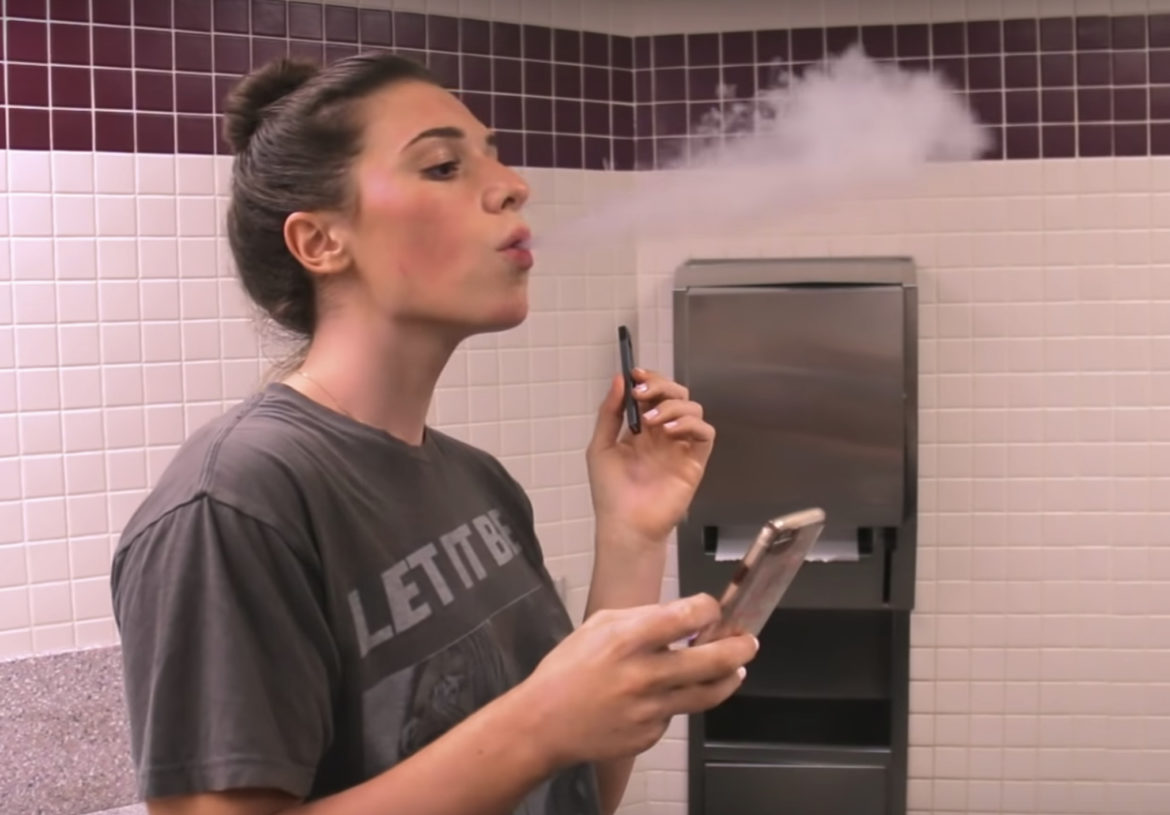
Vape Detectors: Precision without Intrusion
A modern vape smoke detector like the Triton ULTRA Smart Safety Sensor doesn’t rely on cameras or audio recordings ensuring 100% privacy compliance while still delivering actionable intelligence. It makes use of particulate sensors to examine the air in real-time. When vape aerosols (like heavy perfumes), cigarette smoke or marijuana vapor show up the device will send an instant notification via text message or email to a designated employees. False positives are incredibly low making administrators confident that every notification needs immediate attention.
The price of installation is decreased when one unit is used to cover an entire room. Triton customers typically report an increase in vaping after five weeks. The reason? Data-driven deterrence. The Triton Cloud Dashboard shows “hotspots” where vaping happens the most often and at what moments, allowing authorities to redirect hall monitors or security personnel exactly where they’re needed.
Beyond Detection, Occupancy Visibility and Loitering control
Triton is distinct from other vape detectors because of its patent-pending technology for visualising occupancy. The ULTRA Sensor measures the duration of a dwell without recording any audio or images. Administrators can see heat maps with color codes which show bathrooms that have become social areas, which are prime spots for smoking e-cigarettes, as well as long-term close contact that can spread respiratory illnesses.
Stanford Medicine research emphasizes the importance of. Students who smoke are five times more likely to contract COVID-19. Vape detectors can enhance the air quality in schools by reducing congregation. This decreases the risk of transmission of all airborne pathogens. Following the pandemic, this effect has pushed these devices from optional to mandatory.
Converting data into discipline, and dialog
The numbers tell an interesting story. The Triton reports module collects the quantitative evidence of incident timestamps, locations, frequency trends which schools share with school boards, parent groups even students. If a school’s campus has the reduction of 60% in detections after the introduction of detectors there is a gradual loss of doubt. Parents will see that the students are committed and will also understand consequences.
The educators can increase the impact of their message by making it clear that smoke detectors for vapes are readily available from the beginning. 3D Sense, for example advertises itself as a preventative. “Let students know that the air itself is watching,” guidance materials advise. Peer accountability follows: the social impact of triggering an alert often can be more potent than any talk.
A Multi-Front Strategy Schools Can’t Ignore
Vape detectors are not the only tool that can stop the use of vape. They anchor a comprehensive strategy.
Monitoring – Real-time alerts detect incidents as they happen.
Education – Evidence-based studies are fueling anti-vaping curriculums.
Deterrence: Visible signs and consequences that are known could influence behavior.
Discipline – Hotspot data justifies targeted enforcement.
Support – Schools combine detections with support for students who are struggling to stop smoking.
The CDC states that stopping the trend requires “buy-in from parents, educators, and society.” Vape detectors are the missing link: immediate, objective feedback that turns good intentions into tangible outcomes.
Deployment Easy
It takes just a few minutes to register devices in the Triton Cloud Dashboard. Administrators can add contacts, customize notifications rules, and establish alarm thresholds. One demonstration will show how easy it is. You can set up an event and view the live hotspot maps and graphs in real-time.
Conclusion
Every ignored puff risks the possibility of a lifetime of addiction. Bathroom gatherings that are not reported can be hazardous for your health as well for security. Vape detectors for schools such as Triton and 3D Sense offer more than surveillance they deliver security, intelligence, and evidence of advancement. Schools that install them don’t just respond to the issue of vaping They take back control of the issue.
These tools transform vague worries into concrete wins. With just one sensor per room and an insight into the privacy of occupancy these tools can alleviate vague worries. In a time where 40 percent of students in high school have already tried it, and middle school numbers climb daily, waiting is no longer a viable option. Be sure to be the first ones to hear what the school’s radio is declaring.