The development of robotic arms has revolutionized the manufacturing process by the combination of safety, precision effectiveness, and other aspects that were previously impossible. These amazing machines, commonly called robot arms, have become indispensable in the global manufacturing industry driven by the pressing necessity to cut operating costs while maintaining high standards of quality. The incorporation of robotic arms into the production line allows manufacturers to not just cut costs, but also increase work safety and efficiency. We’ll explore how these innovative robots are changing the face of industry.
Cost-effectiveness is the primary driver behind the use of robotic arms worldwide. Factories are under constant pressure to reduce production errors, minimize the amount of waste and reduce the risk of workplace accidents. Robotic arms tackle these challenges head on. Robots can eliminate costly errors, and reduce waste of raw materials, through performing repetitive tasks more precise than humans. Robots are used in industries with high volumes, such as the automotive industry, to guarantee flawless assembly. This precision can translate into substantial savings, as fewer defective parts means less rework and waste.
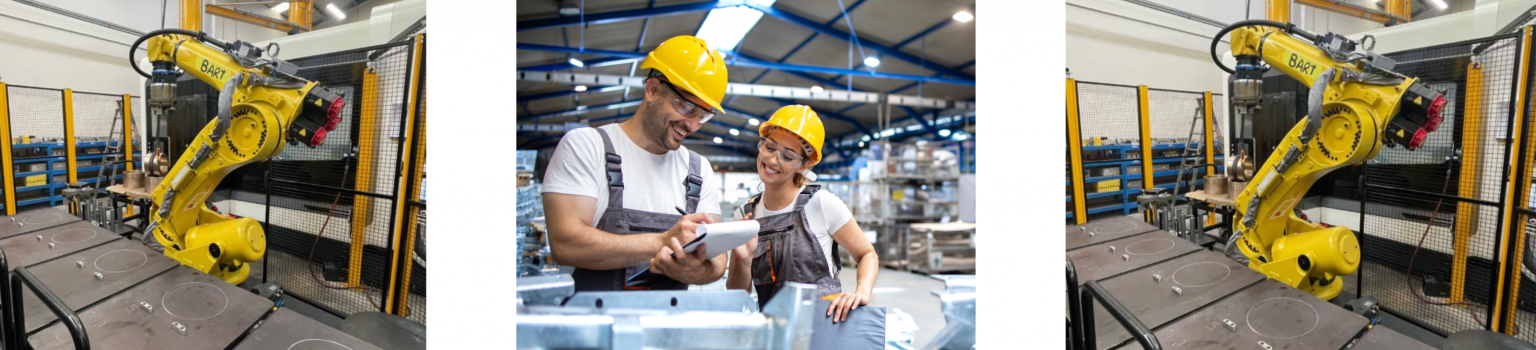
Image credit: automatedsolutions.com.au
The security of robotic arms is a cornerstone. There are many manufacturing processes that require handling hazardous materials or operating heavy machinery pose serious risks for humans. Robots allow businesses to remove their employees from dangerous working environments and minimize injuries in the workplace. Robotic arms, designed as a chain of joints that move, can mimic the functionality of human arms and not cause physical injury. The machines come with robotic hands or programmable end-effectors. They can be used for tasks like grasping spinning and welding in conditions that could make it dangerous for humans.
Robotic arms can be a game changer in various industries due to their adaptability. From automotive assembly to electronic production, robot arms can be adapted to a variety of jobs. They are able to perform complicated tasks with unmatched precision, including machine tool tending and painting. Robotic arms have revolutionized the palletizing process in warehouses by automating it with speed and accuracy. The automation does not just boost efficiency but also ensures high reliability as robots can operate tirelessly without fatigue.
Cobots are a brand new type of robots that can work in tandem with humans. Cobots that are fitted with a robotic arm, are able to interact seamlessly with humans in contrast to industrial robots which are normally restricted to cells. Cobots with robotic arms can perform the repetitive or heavy lifting task in factories, which allows human workers to focus on more challenging responsibilities. The collaboration improves productivity and creates a safer working environment since cobots are able to be programmed to adjust or stop their actions when an individual is within.
The effect of robotic arms extends beyond safety and efficiency to the very foundations of manufacturing today. Their capability to complete tasks such as welding, assembly, or material handling with high accuracy has helped them become indispensable in high-stakes industries. For instance, in the automotive manufacturing, a robotic arm can move and rotate parts during assembly, which ensures the perfect alignment of parts without human intervention. Similarly, in electronics, robot arms handle delicate components with care, reducing damage and improving output quality.
As industries continue to develop with the advancement of technology, the need for robotic arms will only increase. They’re a crucial element for the future of manufacturing due to their ability to cut costs, increase safety, and be able to adapt to different tasks. Utilizing cutting-edge technology and human ingenuity, robot arms aren’t just tools. They’re partners in innovation, transforming how we construct our world.